


Emergence of Starbag: A Deep Dive into the Trend
Origins of Starbag in Australia
Starbag, a new trend in mini bags, first appeared in Australia's fashion scene in early 2020. It started as a small project by local designers in Melbourne. They wanted to create a compact, stylish bag for city dwellers. The idea quickly caught on, spreading to Sydney and other major cities.

Starbag's unique design drew inspiration from Australia's laid-back lifestyle. It combined practicality with a touch of Aussie charm. The bags were small enough to carry essentials, yet big enough to make a fashion statement. This balance appealed to many Australians, especially young professionals.
As word spread, more local artisans began creating their own versions of Starbag. Each added their unique twist, reflecting Australia's diverse culture. This grassroots movement laid the foundation for Starbag's future success in the fashion world.
The Rise of a Fashion Phenomenon: Starbag's Ascendancy
Starbag's popularity skyrocketed in late 2020, catching the attention of major fashion brands. Australian celebrities and influencers began sporting Starbags at events and on social media. This exposure catapulted the trend into the mainstream.
Fashion magazines featured Starbags in their spreads, praising their versatility and style. Local boutiques couldn't keep them in stock. The demand was so high that some stores had waiting lists for new shipments.
As the trend grew, international fashion houses took notice. They began incorporating Starbag-inspired designs into their collections. This global recognition cemented Starbag's place in the fashion world.
By 2021, Starbag had become a household name in Australia. It was no longer just a bag, but a symbol of Australian fashion innovation. The trend's rapid rise showed the power of local design in shaping global fashion trends.
Analyzing the Market: What Makes Starbag a Success Story?
Several factors contributed to Starbag's success in the Australian market. First, its compact size met the needs of urban consumers. People wanted a bag that was easy to carry but still stylish. Starbag filled this gap perfectly.
Second, Starbag's affordability made it accessible to a wide range of consumers. Unlike luxury brands, Starbags were reasonably priced. This allowed more people to participate in the trend without breaking the bank.
Third, the variety of designs appealed to different tastes. From minimalist to bold patterns, there was a Starbag for everyone. This diversity helped the trend reach a broader audience.
Lastly, Starbag's Australian origin story resonated with local consumers. People felt proud to support a homegrown fashion trend. This sense of national pride boosted Starbag's popularity even further.
The Impact of Starbag on Australian Fashion Scene
Influencing Consumer Behavior: From Fast Fashion to Starbag
Starbag has significantly changed how Australians approach fashion purchases. Before, many relied on fast fashion for trendy, affordable options. Starbag offered a different path. It combined style, quality, and reasonable pricing.
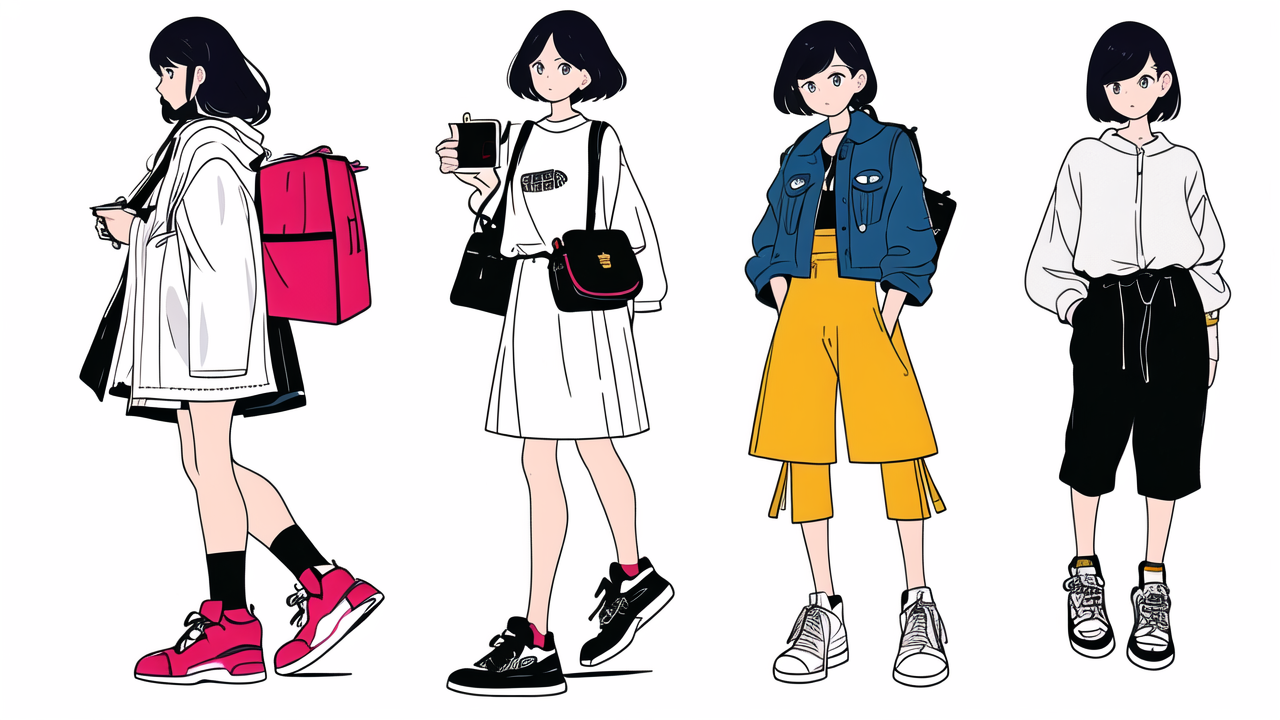
Consumers began to value locally-made products more. They saw Starbag as an investment in Australian design. This shift led to a decline in fast fashion sales among certain demographics.
People also started to think differently about accessories. Starbag showed that a small item could make a big impact. This encouraged more thoughtful, curated wardrobes. Quality over quantity became a new mantra for many fashion-conscious Australians.
The trend also promoted a more sustainable approach to fashion. Starbags were often made to last, unlike disposable fast fashion items. This durability aligned with growing environmental concerns among consumers.
The Aesthetic of Starbag: Blending Functionality and Style
Starbag's design philosophy centers on the perfect balance between form and function. These mini bags are not just fashionable accessories; they're practical solutions for modern life. The compact size fits essentials without bulk, ideal for today's on-the-go lifestyle.
Despite their small size, Starbags often feature clever compartments. This internal organization allows users to carry more than one might expect. It's common to see card slots, key hooks, and even mini water pipe compartments in some designs.
Aesthetically, Starbags embrace minimalism with a twist. Clean lines and simple shapes form the base. Designers then add unique elements like bold colors, interesting textures, or quirky details. This approach creates bags that are both timeless and trendy.
Materials play a crucial role in Starbag's appeal. Many designers use high-quality, durable fabrics. This ensures the bags maintain their shape and appearance over time. Some even incorporate sustainable materials, adding an eco-friendly aspect to the trend.
The Role of Social Media in Starbag's Popularity
Social media platforms have been instrumental in Starbag's rise to fame. Instagram, in particular, became a showcase for the latest Starbag designs. Users shared photos of their bags, creating a virtual community around the trend.
Influencers played a significant role in promoting Starbags. They styled the bags in various ways, showing their versatility. This organic promotion helped Starbag reach a wider audience. It also provided inspiration for how to incorporate the bags into different outfits.
Hashtags like #StarbagAus and #AussieStarbag trended regularly. These tags made it easy for fans to find and share content related to the trend. They also helped track the spread of Starbag's popularity across different regions.
Many Starbag brands leveraged social media for marketing. They ran contests, shared behind-the-scenes content, and engaged with customers directly. This approach fostered a sense of connection between brands and consumers.
Future Prospects: What's Next for Starbag?
Exploring Potential Expansions: Starbag Beyond Bags
As Starbag continues to evolve, many wonder about its future direction. Some designers are already exploring ways to expand the Starbag concept beyond bags. We're seeing the emergence of Starbag-inspired wallets, phone cases, and even jewelry.

There's also potential for Starbag to influence other fashion categories. The principles of compact design and functionality could translate well to clothing. We might see jackets or pants with clever, Starbag-like pocket designs in the future.
Home goods are another area ripe for Starbag expansion. The trend's focus on smart organization could inspire new storage solutions. Imagine Starbag-style organizers for desks, bathrooms, or kitchens.
As the brand grows, collaborations with other industries seem likely. We could see Starbag partnering with tech companies to create stylish gadget cases. Or perhaps teaming up with travel brands to design compact luggage solutions.
Sustainability and Ethical Practices in Starbag Production
Sustainability is becoming increasingly important in the fashion industry. Starbag brands are no exception. Many are exploring eco-friendly materials and production methods. This shift aligns with growing consumer demand for sustainable fashion options.
Some Starbag makers are experimenting with recycled fabrics. Others are looking into biodegradable materials. These efforts could set new standards for accessory production in Australia.
Ethical labor practices are also a focus for many Starbag brands. They're emphasizing transparency in their supply chains. Some are partnering with fair trade organizations to ensure ethical working conditions.
As consumers become more conscious of their purchases, these sustainable and ethical practices could become a key selling point for Starbag. It's likely we'll see more brands highlighting their eco-friendly credentials in the future.
Predicting the Next Big Thing: Starbag's Innovation Capabilities
Innovation has been at the heart of Starbag's success. As the trend matures, continued innovation will be crucial. We can expect to see new materials, designs, and functionalities in future Starbag releases.
Tech integration could be the next frontier for Starbag. Smart features like built-in chargers or tracking devices might become common. These additions could make Starbags even more appealing to tech-savvy consumers.
Customization is another area with potential for growth. Some brands are already offering personalization options. This trend could expand, allowing customers to design their own unique Starbags.
As global interest in Starbag grows, we might see more culturally-inspired designs. This could lead to exciting collaborations between Australian designers and international artists. Such partnerships could bring fresh perspectives to the Starbag aesthetic.
In conclusion, Starbag's journey from local trend to fashion phenomenon showcases the power of innovative design. Its impact on Australian fashion and consumer behavior has been significant. As Starbag continues to evolve, it promises to remain a dynamic force in the fashion world.


