


Understanding the Dollar Box Concept
The Origins of Dollar Box Storage Systems
Dollar box storage systems have a humble origin. They emerged as a thrifty solution to clutter. Aussies, known for their ingenuity, started this trend. It began in garages and sheds across the country. People used cheap, sturdy boxes to organize their stuff. The idea soon spread to homes and offices. It's a simple concept that tackles a common problem. These boxes are affordable and easy to find. They come in various sizes and materials. The system's flexibility is its biggest draw. It allows users to customize their storage needs.

The Economic Benefits of DIY Storage Solutions
DIY storage solutions offer significant economic benefits. They are much cheaper than buying pre-made storage units. Dollar boxes cost a fraction of the price of fancy organizers. You can get many boxes for the price of one branded storage unit. This allows for more comprehensive storage solutions. DIY also means you can adapt the system to your specific needs. There's no need to compromise with pre-made options. You can start small and expand as needed. This gradual approach helps manage costs over time. Plus, you can reuse and repurpose these boxes easily. This further extends their value and lifespan.
Comparing Dollar Box Options for Homeowners
Homeowners have several dollar box options to choose from. Plastic boxes are popular for their durability and water resistance. They're great for garages or damp areas. Cardboard boxes are cheaper and eco-friendly. They work well for dry, indoor spaces. Fabric boxes offer a more aesthetic appeal. They're ideal for visible storage in living areas. Metal boxes provide extra security for valuable items. Each type has its pros and cons. The choice depends on your specific needs and budget. Consider factors like space, content, and location when choosing. Some homeowners mix and match different types for optimal results.
Implementing Dollar Box Strategies in Your Home
Assessing Your Space for Efficient Storage
Before implementing dollar box storage, assess your space. Look at areas that need organization. Identify unused spaces that could house storage boxes. Consider vertical space on walls and behind doors. Look under beds and in closets for potential storage spots. Measure these areas to know what box sizes will fit. Think about the items you need to store. Group similar items together to determine box quantities. Consider the weight of items when choosing box materials. Plan for easy access to frequently used items. Create a storage map to visualize your plan. This assessment ensures you buy the right boxes for your needs.

Step-by-Step Guide to Creating a Dollar Box
- Gather materials: boxes, labels, and any customization tools.
- Clean and prepare your chosen storage area.
- Sort items into categories for each box.
- Pack boxes efficiently, putting heavier items at the bottom.
- Label each box clearly with its contents.
- Arrange boxes in your designated storage area.
- Create an inventory list for easy item location.
- Test the system and adjust as needed.
This process helps create an organized, efficient storage system. It's simple enough for anyone to follow. Remember, the key is consistency in labeling and organizing.
Maintenance and Upgrades for Longevity
Maintaining your dollar box system is crucial for its longevity. Regularly check boxes for wear and tear. Replace damaged boxes promptly to prevent item damage. Clean boxes periodically to prevent dust build-up. Re-evaluate your storage needs every few months. Upgrade your system as your needs change. This might mean adding more boxes or changing box types. Keep your inventory list updated with any changes. Consider seasonal rotations for clothes and decorations. Proper maintenance ensures your system remains effective over time. It also helps you adapt to changing storage needs efficiently.
Case Studies: Successful Dollar Box Storage Systems
Real-life Examples of Effective Dollar Box Storage
Meet Sarah from Sydney. She transformed her cluttered garage using dollar boxes. She used clear plastic boxes for easy visibility. Sarah labeled each box and created a 'map' of her storage area. This system helped her locate items quickly. John in Melbourne tackled his home office clutter. He used colorful fabric boxes to store documents and supplies. The boxes doubled as decor, making his office look neat and stylish. In Brisbane, the Thompson family organized their kids' toys. They used a mix of plastic and fabric boxes. Each child had their own color-coded boxes. These examples show the versatility of dollar box systems.
Cost-Benefit Analysis of Dollar Box Versus Traditional Storage
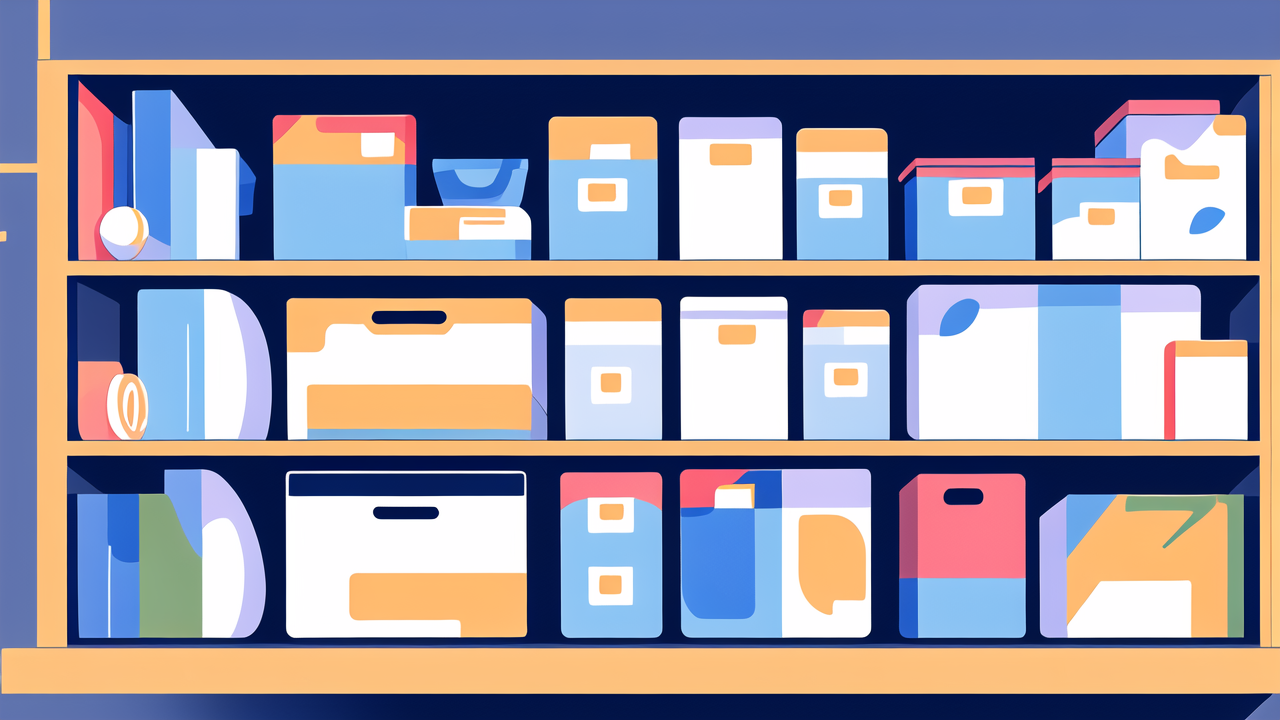
Dollar box storage systems offer significant cost savings. A set of 10 plastic dollar boxes costs about $50. A comparable branded storage unit can cost $200 or more. Dollar boxes also offer more flexibility. You can add or remove boxes as needed. Traditional units are fixed in size and design. Dollar boxes can be repurposed easily. This adds to their long-term value. The initial investment in dollar boxes is low. This makes it accessible for most households. The customizable nature of dollar boxes increases their efficiency. This leads to better space utilization compared to pre-made units.
Tips and Insights from Seasoned Dollar Box Users
Experienced dollar box users offer valuable advice:
- Start small and expand gradually.
- Use clear boxes for items you need to see.
- Invest in quality boxes for long-term storage.
- Label everything, even if it seems obvious.
- Create a master inventory list.
- Review and declutter regularly.
- Use vacuum bags for soft items to save space.
- Stack boxes safely to prevent toppling.
- Keep frequently used items easily accessible.
- Be consistent with your organization system.
These tips help maximize the benefits of dollar box storage. They ensure your system remains efficient and user-friendly over time.


