


Introduction to Bubbling Pipe Science
Understanding the Fundamentals of Bubbling Pipes
Bubbling pipes are essential in many industries across Australia. They work by creating bubbles in liquids. These bubbles serve various purposes. The basic design includes a pipe with holes or slots. When air or gas flows through, it forms bubbles in the liquid.

The size and shape of bubbles matter a lot. They affect how well the bubbling pipe works. Smaller bubbles often work better for mixing. Larger bubbles can help with aeration. The pipe material and hole size play key roles too.
Understanding these basics is crucial for proper use. It helps industries optimize their processes. This knowledge leads to better efficiency and results.
The Significance of Bubbling Pipes in Industry
Bubbling pipes have a wide range of uses in Australian industries. They're vital in water treatment plants. Here, they help in aeration and mixing chemicals. In mining, they assist in separating minerals from ore.
The food and beverage sector also relies on bubbling pipes. They're used in fermentation and carbonation processes. Breweries use them to add fizz to drinks. In agriculture, these pipes help in pond aeration for fish farming.
Their importance extends to environmental applications too. Bubbling pipes can help clean up oil spills. They also play a role in reducing water pollution. As industries grow, so does the significance of these simple yet effective tools.
A Deep Dive into the Physics of Bubbling Pipes
Exploring the Dynamics of Bubbles in Fluids
The physics of bubbles in fluids is fascinating. When air enters a liquid through a pipe, it forms bubbles. These bubbles rise due to buoyancy. As they move, they create currents in the liquid.

Bubble size affects their behavior. Smaller bubbles rise slower and create more surface area. This is good for gas exchange. Larger bubbles rise faster but are less efficient for mixing.
The liquid's properties also matter. Viscosity and surface tension influence bubble formation. In thick liquids, bubbles may struggle to form or rise. In contrast, low surface tension allows for easier bubble creation.
Understanding these dynamics helps in designing better bubbling systems. It allows engineers to create more efficient pipes for specific needs.
The Impact of Bubbling Pipes on Liquid Flow and Temperature
Bubbling pipes significantly affect liquid flow and temperature. As bubbles rise, they create vertical currents. This leads to mixing and circulation within the liquid. It's a key factor in many industrial processes.
Temperature changes occur due to several factors. The gas in the bubbles can be warmer or cooler than the liquid. This causes heat exchange. Also, the process of bubble formation and collapse releases energy.
In some cases, bubbling can cool a liquid by increasing evaporation. In others, it might warm it up through friction and pressure changes. These effects are crucial in applications like cooling systems and chemical reactors.
By controlling bubble size and flow rate, industries can manage these impacts. This allows for precise control over processes and outcomes.
Practical Applications of Bubbling Pipes in Australia
Incorporating Bubbling Pipes in Modern Industrial Design
Australian industries are embracing bubbling pipes in modern designs. Engineers now focus on creating more efficient and versatile systems. They're using new materials that last longer and work better.
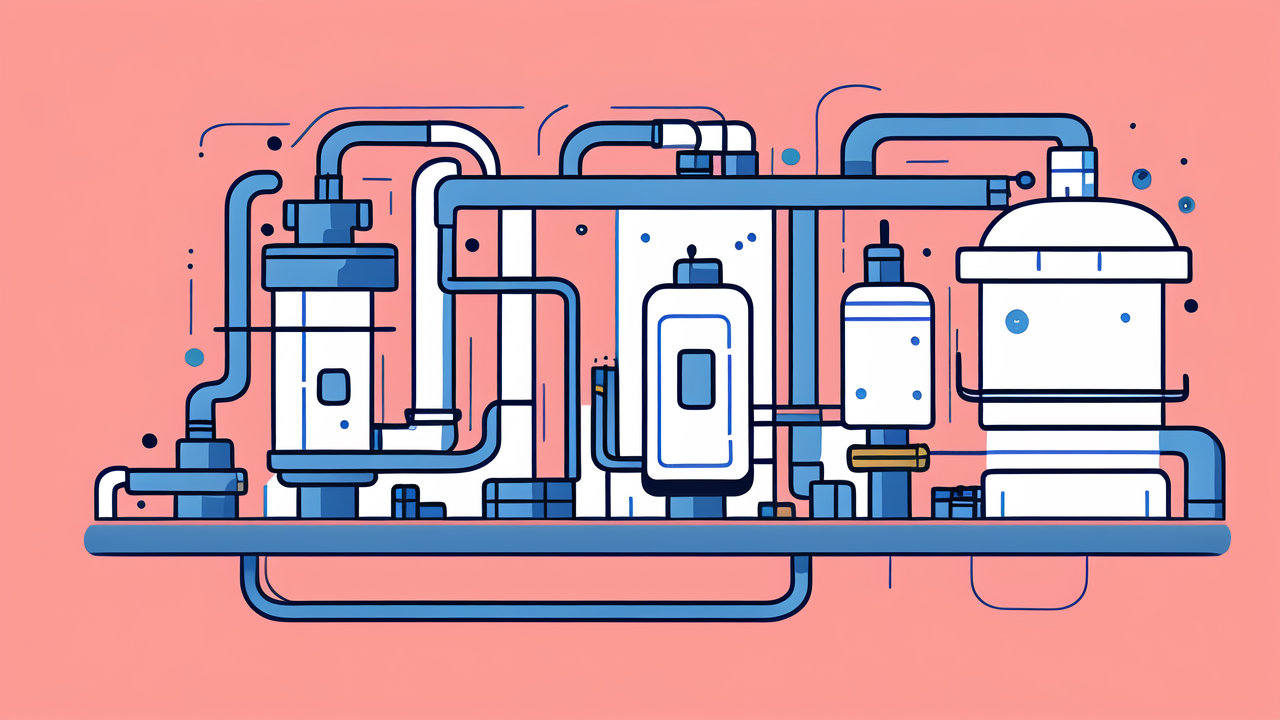
One trend is the use of flexible bubbling pipes. These can be shaped to fit different tank designs. This flexibility allows for better coverage and more efficient bubbling.
Another innovation is in bubble size control. New designs can create specific bubble sizes for different needs. This precision improves process efficiency and quality control.
Smart technology is also being integrated. Sensors can now monitor bubble formation and adjust flow rates. This automation leads to more consistent results and less waste.
Case Studies: Bubbling Pipes in Action Across Australia
Several Australian industries showcase the effective use of bubbling pipes. In Perth, a water treatment plant uses them to remove iron from groundwater. The bubbles oxidize the iron, making it easier to filter out.
A brewery in Melbourne employs bubbling pipes in its fermentation tanks. This helps maintain yeast health and improves beer quality. The precise control of bubble size ensures consistent results.
In the Great Barrier Reef, researchers use bubbling pipes to study coral health. They create controlled environments to test the effects of ocean acidification.
A mining company in Western Australia uses bubbling pipes in its tailings ponds. This helps prevent harmful chemicals from settling at the bottom. It also aids in evaporation, reducing water volume.
Future Innovations in Bubbling Pipe Technology
The future of bubbling pipe technology in Australia looks promising. Research is ongoing to develop even more efficient systems. One area of focus is on reducing energy consumption in bubbling processes.
Nanotechnology may play a role in future designs. Nano-coatings could prevent scaling and corrosion in pipes. This would extend their lifespan and maintain efficiency over time.
There's also interest in developing 'smart' bubbling systems. These would use AI to adjust bubble formation based on real-time data. This could lead to significant improvements in various industrial processes.
Researchers are exploring the use of different gases in bubbling pipes. This could open up new applications in fields like medicine and advanced materials production.
As Australia continues to innovate, bubbling pipes will likely play an even bigger role. They'll help industries become more efficient, sustainable, and competitive on the global stage.


