


Introduction to Water Pipes and Glass Balls
The Basics of Water Pipes
Water pipes are popular smoking devices. They use water to filter and cool smoke. The main parts are:
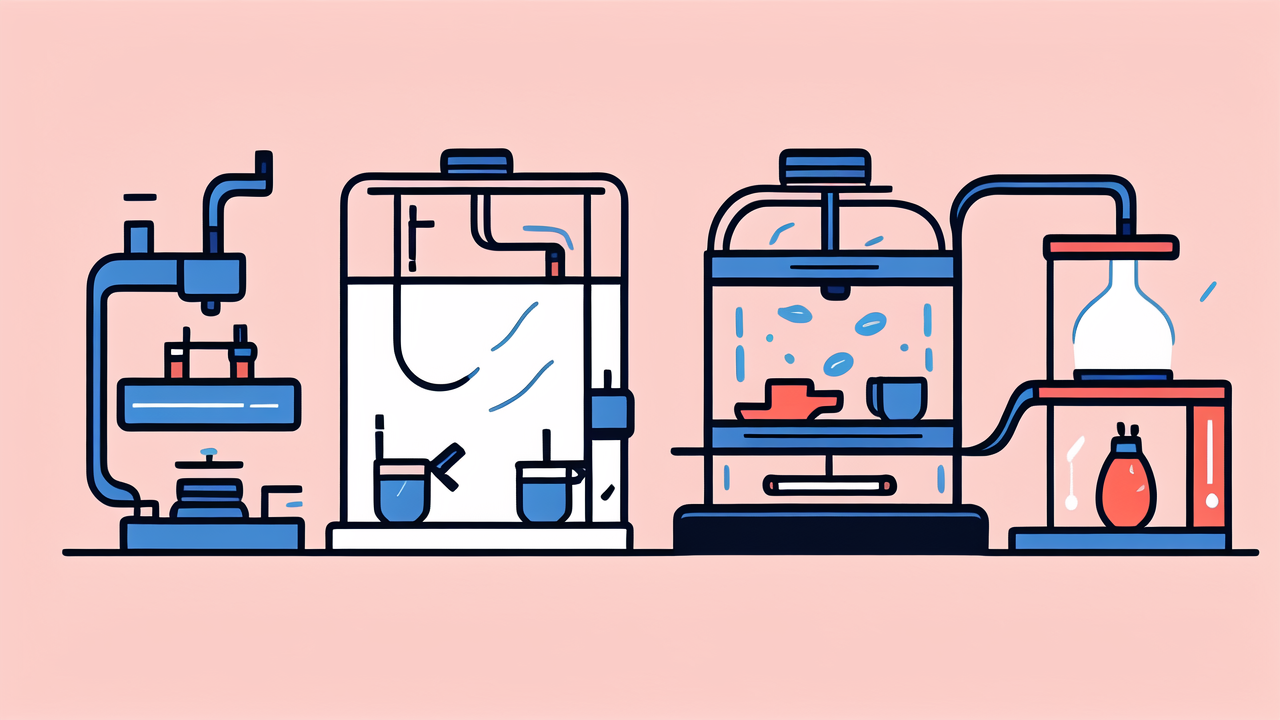
- Bowl: Holds the smoking material
- Downstem: Connects bowl to water chamber
- Water chamber: Holds water for filtration
- Mouthpiece: Where user inhales smoke
Water pipes come in various sizes and styles. They can be made from glass, acrylic, or other materials. Users enjoy them for smoother hits and enhanced flavor. Water pipes are often used for tobacco or legal herbs.
The Role of Glass Balls in Water Pipe Systems
Glass balls are small spheres added to water pipes. They serve several purposes:
- Filtering: Help trap impurities
- Cooling: Increase surface area for smoke to cool
- Diffusion: Break up smoke for smoother hits
- Aesthetics: Add visual appeal
Glass balls can improve the smoking experience. They're usually placed in the water chamber. Some users add them to the mouthpiece or percolator. The balls come in different sizes and colors.
The Science Behind Glass Balls in Water Pipes
Exploring the Materials and Design
Glass balls for water pipes are made from borosilicate glass. This type of glass is:

- Heat-resistant
- Durable
- Non-reactive
The balls are typically 5-16mm in diameter. They may be clear or colored. Some have patterns or designs. The smooth surface helps prevent bacterial growth. This makes cleaning easier.
Manufacturers use specific techniques to create these balls. They ensure uniformity in size and shape. This is important for proper function in water pipes. The quality of glass balls can affect performance and longevity.
The Hydrodynamics of Water Pipe Glass Balls
Glass balls in water pipes affect smoke flow. They create turbulence in the water. This increases smoke-water contact. The process works like this:
- Smoke enters water through downstem
- Bubbles form and rise
- Glass balls disrupt bubble path
- This extends smoke's time in water
The balls also increase surface area for cooling. As smoke passes around them, it loses heat. This results in a cooler, smoother hit. The number and arrangement of balls impact effectiveness.
How Glass Balls Influence Water Quality and Aesthetics
Glass balls can improve water quality in pipes. They trap small particles from smoke. This helps keep the water cleaner. Users may need to change water less often. The balls also add visual appeal:
- They create interesting bubble patterns
- Colored balls enhance pipe appearance
- Movement of balls is visually pleasing
Some users report enhanced flavor with glass balls. This may be due to better filtration. The balls can also reduce splashback. This prevents water from entering the mouthpiece during use.
Practical Applications of Glass Balls in Water Pipes
Integrating Glass Balls into Water Pipe Installations
Adding glass balls to a water pipe is simple. Follow these steps:

- Clean the water pipe thoroughly
- Rinse glass balls with warm water
- Gently place balls in water chamber
- Add water to desired level
The number of balls depends on pipe size. Start with a small amount. Add more as needed. Avoid overfilling, as this can restrict airflow. Some users prefer layering different sizes.
Experiment with ball placement. Try them in percolators or ash catchers. This can create unique effects. Always handle glass balls carefully to prevent breakage.
Case Studies: Successful Water Pipe Glass Ball Applications
Many users report positive experiences with glass balls. Here are some examples:
- Smoother hits: John added balls to his bong. He noticed less harshness.
- Easier cleaning: Sarah found her pipe stayed cleaner with balls.
- Better filtration: Mike saw less residue in his water after using balls.
- Enhanced visuals: Lisa enjoys the appearance of colored balls in her pipe.
These cases show various benefits of glass balls. Results may vary based on pipe design and use. Some users combine balls with other accessories for best results.
Troubleshooting Common Issues with Water Pipe Glass Balls
While glass balls are beneficial, some issues may arise:
- Clogging: Too many balls can restrict airflow. Remove some if hits become difficult.
- Noise: Balls may make clinking sounds. This is normal and harmless.
- Breakage: Handle balls gently. Replace any that crack or chip.
- Cleaning difficulty: Use a pipe cleaner to reach around balls when cleaning.
Regular maintenance helps prevent problems. Clean balls and pipe often. Replace water frequently. If balls become discolored, soak them in isopropyl alcohol. Always follow manufacturer guidelines for your specific water pipe.


