


Understanding Glass Bongs: Purpose, Design, and Functionality
The Evolution of Glass Bongs in Cannabis Consumption
Glass bongs have come a long way since their inception. They've evolved from simple tubes to complex pieces of art. Early bongs were made of bamboo or clay. Glass became popular due to its durability and ease of cleaning.

The first glass bongs appeared in the 1960s and 1970s. They were basic in design but effective. As time passed, artists began to experiment with shapes and colors. This led to more intricate designs and better functionality.
Today's glass bongs are a far cry from their predecessors. They come in various sizes, shapes, and colors. Some are simple, while others are elaborate works of art. The evolution continues as makers push the boundaries of design and function.
The Role of Glass Bongs in Enhancing Cannabis Effects
Glass bongs play a crucial role in enhancing the cannabis experience. They cool and filter smoke, making it smoother to inhale. This allows users to take larger hits without harsh effects on the throat and lungs.
The water in the bong also helps to remove some of the harmful toxins from the smoke. This can lead to a cleaner, more enjoyable experience. The cooler smoke also preserves more of the cannabis compounds. This can result in stronger effects from smaller amounts of product.
Glass bongs also offer a more controlled smoking experience. Users can see the amount of smoke produced and adjust their intake accordingly. This level of control is hard to achieve with other methods of consumption.
Key Design Features that Influence User Experience
Several design features of glass bongs can greatly impact the user experience:
- Size: Larger bongs can hold more smoke, but may be harder to clear.
- Percolators: These diffuse smoke, creating a smoother hit.
- Ice catchers: Allow users to add ice for cooler smoke.
- Bowl size: Affects how much cannabis can be smoked at once.
- Mouthpiece design: Can impact comfort and ease of use.
The shape of the bong also plays a role. Straight tubes offer direct hits, while beaker shapes provide stability. Some designs incorporate multiple chambers for extra filtration. The thickness of the glass affects durability and heat retention.
Customizable features like removable downstems and bowls allow for easy cleaning and personalization. The angle of the downstem can affect how well the smoke is diffused in the water.
The Impact of Glass Bongs on the Cannabis Industry in Australia
Glass Bongs: Contributions to the Aesthetics and Culture of Cannabis Use
Glass bongs have significantly shaped the aesthetics and culture of cannabis use in Australia. They've become more than just smoking devices; they're now pieces of art. Many users collect bongs, appreciating them for their beauty as well as function.
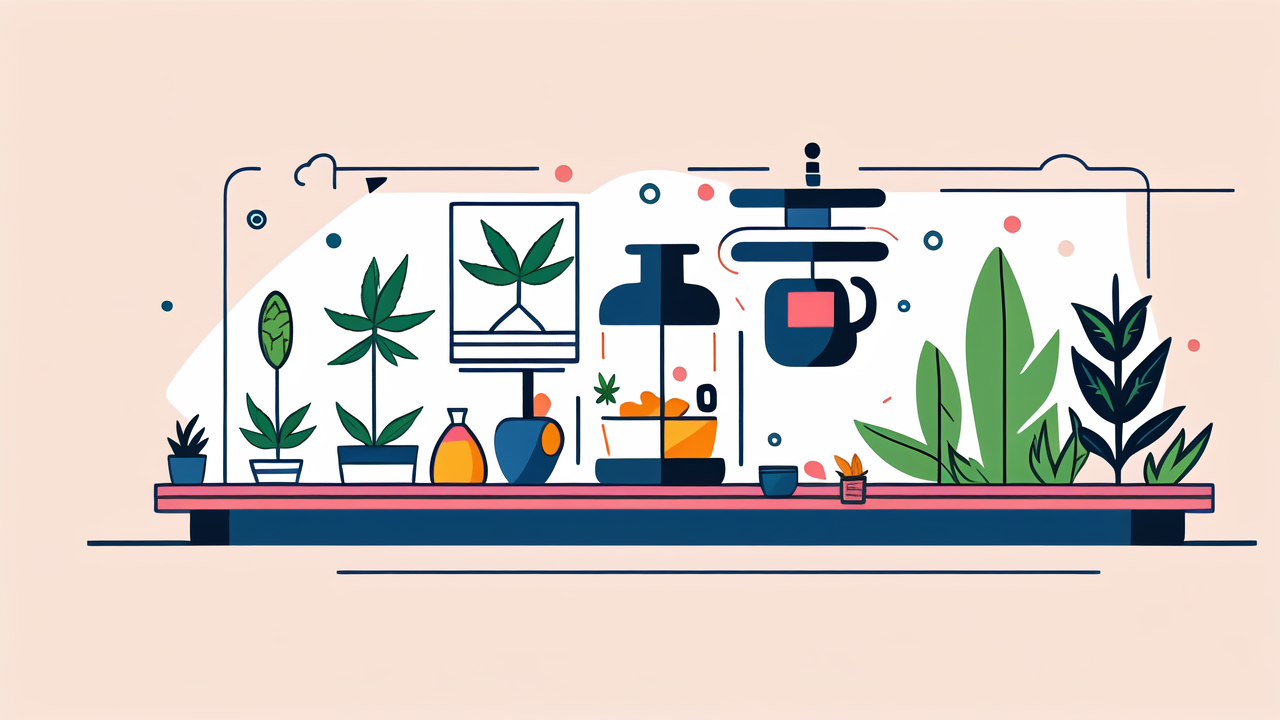
Local artists have embraced bong-making as a form of expression. This has led to a thriving glass art scene. Bongs often feature uniquely Australian designs, incorporating native flora and fauna.
The culture around bongs has also influenced social gatherings. "Bong circles" have become a common way for cannabis users to socialize. This has fostered a sense of community among users.
Glass bongs have also contributed to the normalization of cannabis use. Their presence in popular culture has helped shift perceptions. They're no longer seen as just "drug paraphernalia," but as legitimate smoking accessories.
The Influence of Glass Bongs on Cannabis Retail and Sales Trends
Glass bongs have had a significant impact on cannabis retail and sales trends in Australia. They've become a staple product in smoke shops and online stores. The demand for high-quality, locally made bongs has created a niche market.
Many retailers now offer a wide range of bongs to cater to different preferences. This includes everything from simple, affordable pieces to high-end collectibles. The variety has helped to attract a diverse customer base.
The sale of bongs has also boosted related industries. This includes cleaning products, accessories, and carrying cases. Many shops now offer repair services, adding another revenue stream.
Online sales have surged, allowing Australian bong makers to reach a global market. This has put Australian glass art on the international map. It's also led to collaborations between local and international artists.
Compliance and Regulatory Considerations for Glass Bong Manufacturers
Glass bong manufacturers in Australia face several regulatory challenges. The legal status of cannabis varies across states and territories. This affects how bongs can be marketed and sold.
Manufacturers must be careful about how they describe their products. Terms like "for tobacco use only" are often used to comply with laws. However, this can be a grey area in terms of advertising standards.
Quality and safety standards are also important. Manufacturers need to ensure their products are free from harmful materials. This includes lead-free glass and safe coloring agents.
Import and export regulations can affect the sourcing of materials and distribution. Some states have restrictions on selling bongs to minors. Manufacturers and retailers must be aware of these laws.
There's also the challenge of balancing artistic expression with legal compliance. Some designs may be considered too provocative or drug-oriented. Manufacturers must navigate these issues carefully.
Innovations and Technological Advancements in Glass Bong Manufacturing
The Role of Material Science in Glass Bong Production
Material science plays a crucial role in glass bong production. Advances in this field have led to stronger, more heat-resistant glass. This means bongs are less likely to break or crack under thermal stress.
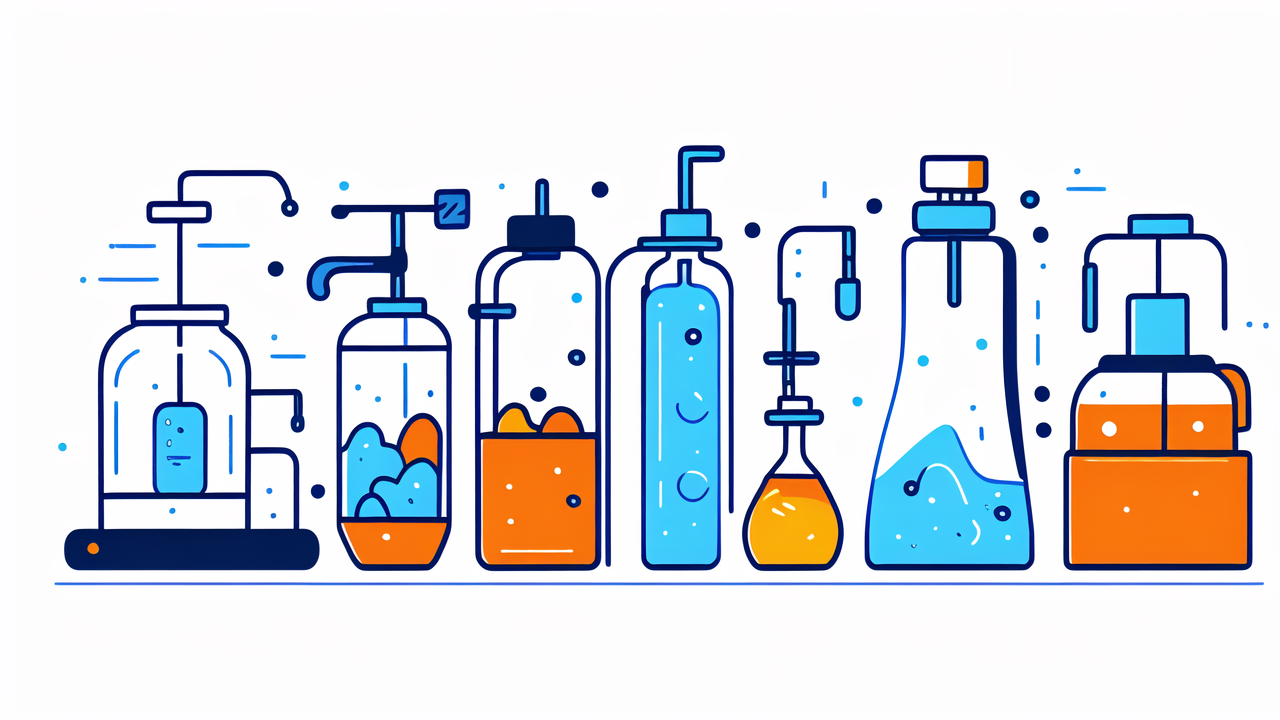
Borosilicate glass is now the standard for high-quality bongs. It's known for its durability and resistance to thermal shock. Some manufacturers are experimenting with adding rare earth elements to the glass. This can create unique colors and effects.
New techniques in glass blowing allow for more complex designs. This includes intricate percolators and multi-chamber systems. Some makers are using computer-aided design to plan their creations.
Nanotechnology is also making its way into bong production. Some companies are developing coatings that make glass easier to clean. Others are working on ways to enhance the filtering properties of the glass itself.
Advances in Glass Bong Design and Customer Preference
Glass bong design has seen significant advances in recent years. These changes are often driven by customer preferences and feedback. One major trend is towards more compact, portable designs. This reflects the need for discretion and convenience.
Modular bongs have gained popularity. These allow users to customize their experience by swapping out different parts. This includes percolators, mouthpieces, and even entire chambers.
There's also a growing demand for bongs with scientific aesthetics. These often feature precise measurements and lab-style equipment. They appeal to users who appreciate the technical aspects of cannabis consumption.
Eco-friendly designs are on the rise. Some makers are using recycled glass or sustainable production methods. This aligns with the values of many cannabis users who are environmentally conscious.
The Future of Glass Bongs in the Cannabis Industry
The future of glass bongs in the cannabis industry looks bright. As legalization spreads, the market for high-quality smoking accessories is likely to grow. We may see more collaboration between bong makers and cannabis brands.
Technology will continue to play a big role. Smart bongs that can measure dosage or connect to apps are already in development. These could offer users more control over their consumption.
3D printing may revolutionize bong production. This could allow for even more complex designs and customization. It might also make repairs and replacements easier.
As cannabis becomes more accepted, bongs may become more mainstream. This could lead to new design trends that blend seamlessly with home decor. The line between functional device and art piece may continue to blur.
The industry may also see more focus on health and safety. This could include better filtration systems or materials that reduce harmful byproducts. As research into cannabis consumption methods grows, bong design will likely evolve to match.


