


Understanding the Appeal of Glass Bongs
The Art and History of Glass Bong Design
Glass bongs have a rich history that dates back centuries. They've evolved from simple designs to intricate works of art. Early bongs were made from bamboo or metal. Glass became popular due to its smooth taste and visual appeal.
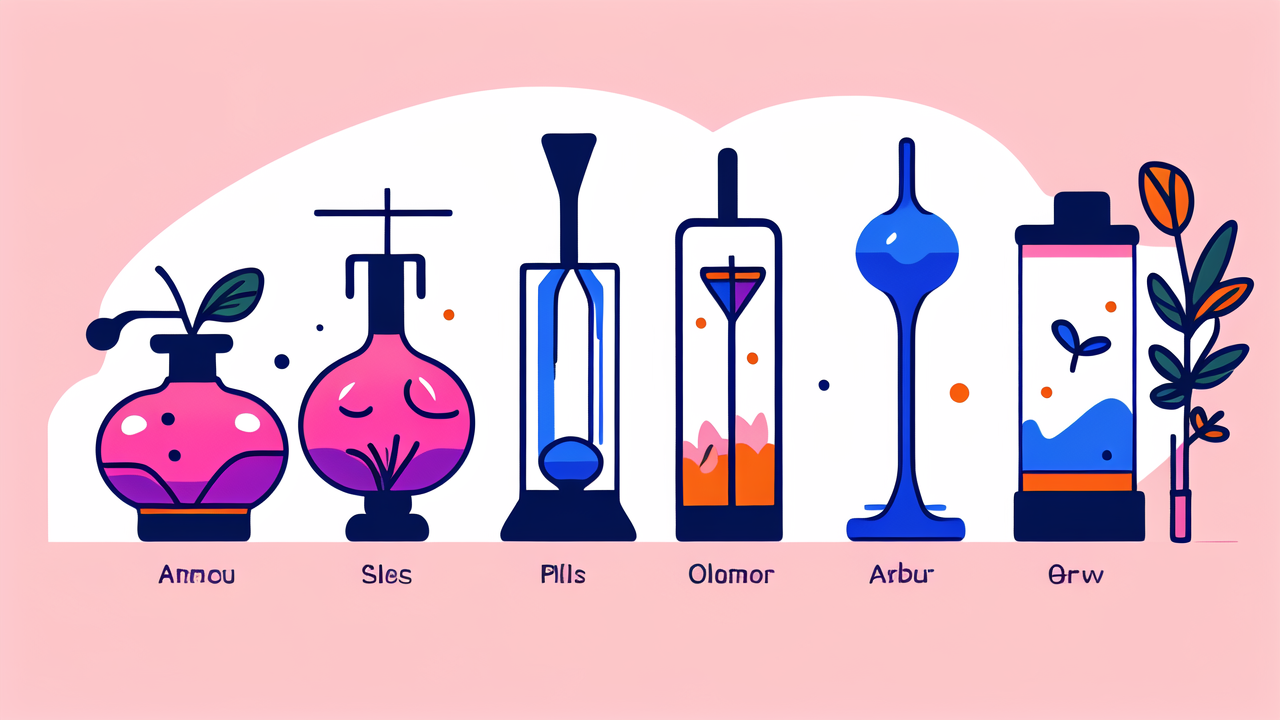
Australian artists have contributed unique styles to bong design. They often draw inspiration from Aboriginal art and the Outback. Many Aussie bongs feature colorful patterns and nature-inspired shapes.
The process of making glass bongs is a skilled craft. It requires precision and creativity. Artisans use techniques like glass blowing and lampworking. This allows for endless design possibilities.
Today, glass bongs come in various shapes and sizes. Some are simple and functional. Others are complex sculptures. Collectors often seek limited-edition pieces from renowned artists.
Comparing Glass Bongs to Other Smoking Devices
Glass bongs offer several advantages over other smoking methods. They provide a smoother, cooler smoke compared to pipes or joints. This is due to water filtration and percolation features.
- Pros of glass bongs:
- Cleaner hits
- Better flavor preservation
- Customizable experience
- Easier to clean than other materials
- Cons of glass bongs:
- More fragile than metal or silicone options
- Can be more expensive
- Less portable than smaller devices
Pipes are more portable but offer less filtration. Joints are convenient but can waste more product. Vaporizers are gaining popularity for their health benefits. However, many still prefer the ritual and experience of a glass bong.
Glass bongs allow for more control over the smoking experience. Users can adjust water levels and add ice for cooler hits. Some prefer the traditional feel of a bong over modern alternatives.
How to Choose the Right Glass Bong
Factors to Consider When Selecting a Glass Bong
Choosing the right glass bong involves several factors. Size is important. Larger bongs offer more filtration but are less portable. Smaller ones are easier to handle and store.

Shape affects both function and aesthetics. Straight tubes are classic and easy to clean. Beaker bases provide stability and larger water capacity. Recyclers offer smoother hits through water recirculation.
- Key features to look for:
- Percolators for extra filtration
- Ice catchers for cooler smoke
- Splash guards to prevent water in your mouth
- Removable downstems for easier cleaning
Consider your smoking habits. Daily users might want a sturdy, easy-to-clean option. Occasional users might prefer a showpiece for special occasions.
Budget is also a factor. Basic glass bongs start around $50. High-end or custom pieces can cost hundreds or even thousands. Balance quality and price based on your needs and means.
The Importance of Material and Manufacturing
The quality of glass and manufacturing process greatly impact a bong's performance and durability. Borosilicate glass is the gold standard. It's heat-resistant and less prone to breakage.
Thickness matters too. Thicker glass (5mm or more) is more durable but heavier. Thinner glass is lighter but more fragile. Consider your lifestyle and handling habits.
Look for well-made joints and connections. Sloppy work can lead to leaks or breakage. Reputable brands and artisans take pride in their craftsmanship.
Some bongs use scientific glass, which is extra strong. These are great for lab-inspired designs. They're also more resistant to thermal shock.
Check for any certifications or guarantees. Some makers offer warranties against defects. This can provide peace of mind, especially for pricier pieces.
Australian-made bongs often use high-quality materials and techniques. Supporting local artisans can ensure you get a well-made product.
Advanced Tips for Glass Bong Enthusiasts
Maintenance and Cleaning Best Practices
Regular cleaning is crucial for glass bongs. It maintains performance and prevents health issues. Clean your bong after each use for best results.
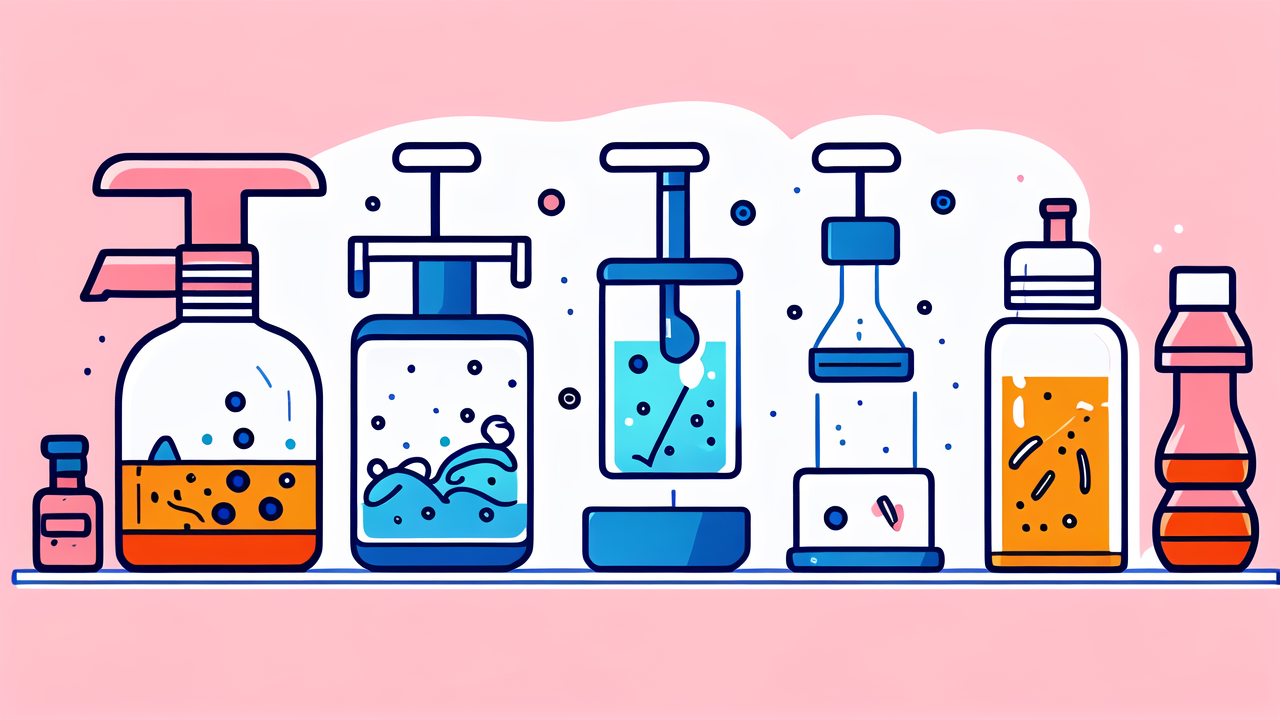
- Basic cleaning steps:
- Empty the water
- Rinse with hot water
- Use a cleaning solution (isopropyl alcohol and salt work well)
- Shake gently to clean all areas
- Rinse thoroughly with clean water
For tough residue, let the cleaning solution sit for a while. Use pipe cleaners or bottle brushes for hard-to-reach spots. Avoid abrasive materials that could scratch the glass.
Change the water frequently, even between sessions. Fresh water ensures better taste and smoother hits. It also prevents the growth of harmful bacteria.
Handle your bong with care. Use both hands when moving it. Avoid extreme temperature changes, which can cause cracks.
Store your bong safely when not in use. A padded case or dedicated shelf can prevent accidents. Keep it away from edges and high-traffic areas.
Innovative Uses for Glass Bongs Beyond Smoking
Glass bongs have uses beyond traditional smoking. Some enthusiasts repurpose them for creative projects. Always ensure any alternative use is safe and legal.
- Creative ideas for glass bongs:
- Unique flower vases
- DIY lava lamps
- Artistic display pieces
- Water filtration experiments
Some use bongs for aromatherapy. Adding essential oils to warm water can create a pleasant diffuser. This can be a conversation starter at gatherings.
Bongs can be part of science demonstrations. They're great for showing water pressure and airflow concepts. Of course, use caution and follow safety guidelines.
Collectors often display rare or artistic bongs as sculptures. This celebrates the craftsmanship without active use. It's a way to appreciate the art form.
Remember, any alternative use should not compromise the bong's integrity. Always clean thoroughly if switching between uses. Respect local laws and regulations regarding bong ownership and use.


