


Understanding Paper on Roll for Your Industry
The Basics of Paper on Roll: Types and Uses
Paper on roll is a versatile product used in many industries. It comes in various types, each suited for specific uses. Common types include thermal paper, bond paper, and kraft paper. Thermal paper is often used for receipts and tickets. Bond paper is ideal for printing and writing. Kraft paper is great for packaging.
The thickness and weight of the paper matter too. Lighter papers work well for receipts. Heavier papers are better for packaging. Some papers have special coatings for water resistance or improved print quality. Understanding these basics helps you choose the right paper for your needs.
Consider your industry's specific requirements. Restaurants may need heat-resistant paper for kitchen printers. Shipping companies might prefer sturdy kraft paper. Retail stores often use thermal paper for receipts. Know your needs to make the best choice.
Assessing Quality and Durability in Paper Selection
Quality and durability are key factors in paper selection. High-quality paper lasts longer and performs better. Look for papers from reputable manufacturers. They often have better quality control processes.
Check the paper's weight and thickness. Heavier papers are usually more durable. But they may not work in all machines. Balance durability with machine compatibility.
Consider the paper's resistance to tearing and moisture. Some papers have special treatments for added strength. Others resist water damage better. Think about your usage conditions when assessing durability.
Test samples before making a large purchase. This helps you gauge quality in real-world conditions. Pay attention to how the paper performs in your specific equipment. Good paper should feed smoothly and print clearly.
Cost-Benefit Analysis of Paper on Roll
Calculating the Long-Term Cost Savings
When choosing paper on roll, consider long-term costs. Cheaper paper may seem attractive at first. But it can lead to higher costs over time. Factor in how often you'll need to replace the paper. Also, consider the impact on your equipment.

Higher quality paper often lasts longer. It may have a higher upfront cost. But you might use less paper overall. This can lead to savings in the long run. Calculate how much paper you use in a month or year. Compare this to the cost of different paper options.
Don't forget to factor in indirect costs. Cheaper paper might jam more often. This can lead to equipment downtime and repair costs. It may also require more employee time to deal with issues. These hidden costs can add up quickly.
Consider bulk purchasing options. Buying in larger quantities often reduces the per-roll cost. But make sure you have proper storage space. Balance the savings with your storage capabilities and paper shelf life.
The Impact of Paper Quality on Operating Efficiency
Paper quality significantly affects your business operations. High-quality paper can improve efficiency in several ways. It tends to jam less frequently in printers and other machines. This reduces downtime and keeps operations running smoothly.
Better paper often produces clearer prints. This is crucial for businesses that rely on printed documents. Clear receipts, legible labels, and sharp promotional materials can enhance customer experience. They can also reduce errors caused by poor readability.
Quality paper can also speed up processes. It's less likely to tear or cause issues during handling. This means less time spent dealing with paper-related problems. Employees can focus on more important tasks instead of troubleshooting paper issues.
Consider the environmental impact too. Higher quality paper might be more recyclable. It could also come from more sustainable sources. This can align with eco-friendly business practices and improve your company's image.
Integrating Paper on Roll into Your Business Operations
Best Practices for Paper Handling and Storage
Proper handling and storage of paper on roll is crucial for maintaining its quality. Store paper rolls in a cool, dry place. Extreme temperatures and humidity can damage the paper. This can lead to jams and poor print quality.
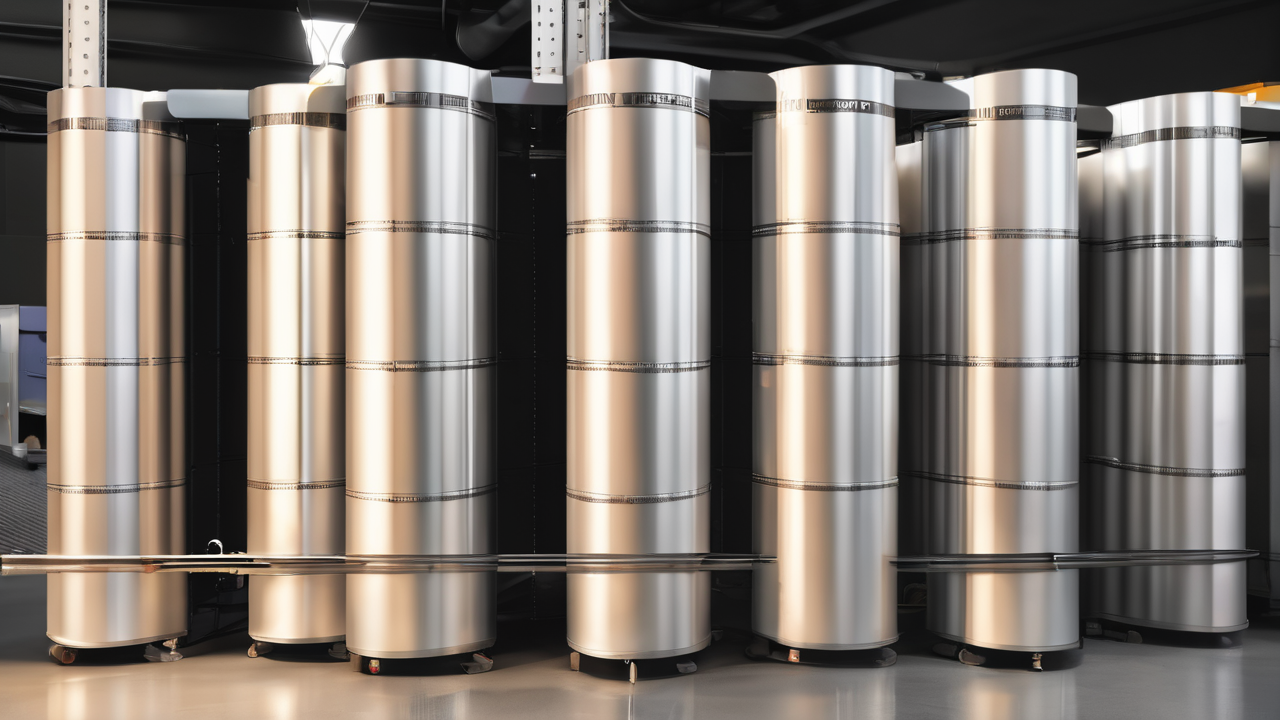
Keep paper rolls in their original packaging until use. This protects them from dust and moisture. When handling rolls, use clean, dry hands. Avoid touching the paper surface unnecessarily. This prevents oil and dirt transfer.
Rotate your stock regularly. Use older rolls first to prevent degradation. When loading paper into machines, follow the manufacturer's instructions. Incorrect loading can cause jams and waste paper.
Train your staff on proper paper handling techniques. This ensures everyone follows best practices. It can significantly reduce paper waste and machine issues. Regular training updates can keep everyone informed about new paper types or handling methods.
Innovative Uses of Paper on Roll in Modern Businesses
Paper on roll isn't just for receipts and packaging. Many businesses are finding innovative ways to use it. Some companies use large paper rolls for brainstorming sessions. They create wall-sized idea boards for team collaborations.
In the arts, paper rolls are used for continuous drawings or murals. This can be adapted for business presentations or visual storytelling. Some restaurants use paper rolls as tablecloths. They can be changed quickly between customers.
Retailers are using paper rolls for custom gift wrapping stations. This allows for personalized packaging at a lower cost. Some businesses use paper rolls for creating temporary signage. It's an eco-friendly alternative to plastic banners.
Consider how paper rolls can solve unique challenges in your business. Could they improve your workflow or customer experience? Think creatively about unconventional uses. Paper on roll's versatility makes it a valuable tool for innovation in many industries.


