


The Importance of High-Quality Paper in Professional Environments
Understanding Paper Textures and Their Impact on Work Performance
Paper texture plays a crucial role in workplace productivity. Smooth papers are great for writing and printing. Rough papers work well for sketching and note-taking. The right texture can boost comfort and efficiency. It can reduce hand fatigue during long writing sessions. Some textures also prevent ink bleed-through, keeping work neat. High-quality paper resists tearing and holds up to frequent use. This durability is key in busy office settings. The feel of good paper can also boost mood and motivation. It's a small detail that can make a big difference in daily work.

The Role of Paper in Creating Effective Workspaces
Paper choice affects more than just writing. It contributes to the overall office atmosphere. Clean, professional paper sets a tone of quality and attention to detail. It can impress clients and boost employee morale. Good paper reduces waste and printer jams, saving time and resources. It also supports better organization, helping keep workspaces tidy. The right paper can enhance brainstorming and collaborative work. It can make meetings more productive by providing a quality surface for notes and ideas. Paper choice even impacts workplace sustainability efforts. Recycled or eco-friendly options show a commitment to the environment.
Comparing Unlined and Lined Paper for Workplace Use
Advantages of Lined Paper for Organizing and Efficiency
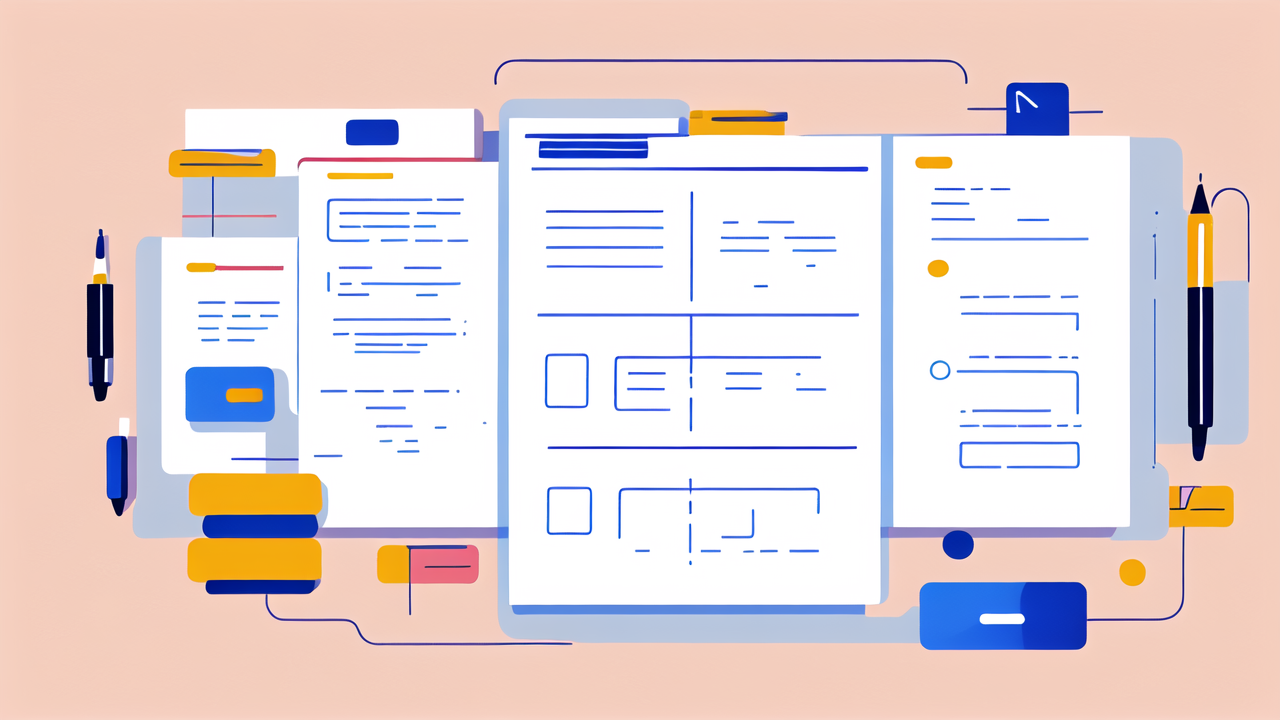
Lined paper offers clear benefits for many workplace tasks. It provides structure for neat, organized writing. This is especially useful for meeting notes and to-do lists. The lines help maintain consistent handwriting size and spacing. This improves readability for both the writer and others. Lined paper can speed up form-filling and data entry tasks. It helps align information correctly, reducing errors. For financial work, lined paper aids in creating tidy columns of numbers. It's also great for planning projects and creating timelines. The structure of lined paper can help employees stay focused and on-task. It's a simple tool that can significantly boost workplace efficiency.
The Benefits of Unlined Paper in Fostering Creativity and Diversity
Unlined paper offers unique advantages in the workplace. It provides a blank canvas for free-form thinking and creativity. This is ideal for brainstorming sessions and conceptual work. Unlined paper allows for easy sketching of diagrams and flowcharts. It's perfect for visual thinkers and design-oriented tasks. The lack of lines can encourage more diverse thought processes. It allows ideas to flow without the constraint of preset boundaries. Unlined paper is versatile, suitable for both writing and drawing. This makes it a flexible choice for varied office needs. It can be especially useful in collaborative settings. Teams can use it to share ideas in multiple formats on one page.
Best Practices for Choosing Paper Products in the Workplace
Evaluating Quality and Durability in Paper Selection
Choosing the right paper involves considering several factors. Look for paper with a good weight that feels substantial. This ensures it can handle regular use without tearing. Check the brightness level for papers used in printing and presentations. Higher brightness can make colors pop and text more readable. Consider the opacity of the paper. This is important to prevent show-through on double-sided documents. For archival purposes, choose acid-free paper to prevent yellowing over time. Test papers with different writing tools to ensure good ink absorption. This prevents smudging and improves overall writing quality. Don't forget to consider eco-friendly options. Many high-quality papers now come from sustainable sources.
Balancing Aesthetics and Functionality in the Office Design
Paper choice should complement overall office design. Consider color schemes when selecting paper for notepads and stationery. Neutral tones like white or cream are versatile and professional. For creative industries, colorful or textured papers can add personality. Balance visual appeal with practical needs like writability and printability. Consider how paper will be stored and displayed in the office. Choose sizes that fit neatly in desk organizers and filing systems. Remember that paper is part of your brand image. High-quality paper can reinforce a professional, detail-oriented company culture. At the same time, don't sacrifice functionality for looks. The best paper choices blend form and function seamlessly.
In conclusion, the choice between lined and unlined paper depends on specific workplace needs. Both have their place in a productive office environment. Consider task requirements, employee preferences, and overall office aesthetic. A mix of both types can cater to diverse work styles and tasks. Remember, quality matters regardless of the type chosen. Investing in good paper is an investment in workplace efficiency and professionalism.


