


Understanding the Different Types of Water Pipes
The Role of Materials in Water Pipe Selection
When choosing water pipes, material selection is crucial. Different materials offer unique benefits.

Common options include:
- PVC: Affordable and easy to install
- Copper: Durable and resistant to bacteria
- PEX: Flexible and resistant to freezing
- Stainless Steel: Corrosion-resistant and long-lasting
Consider factors like water quality, pressure, and local regulations. Each material has pros and cons.
PVC is cost-effective but may not suit hot water. Copper is durable but expensive. PEX is versatile
but can't be used outdoors. Stainless steel is ideal for harsh conditions but pricey.
Comparing Commonly Used Water Pipes for Home and Industrial Applications
Water pipes serve different purposes in homes and industries. Here's a comparison:
Home Applications:
- Copper: Great for hot and cold water
- PEX: Ideal for retrofitting
- PVC: Suitable for cold water supply
Industrial Applications:
- Stainless Steel: For food and beverage industries
- Ductile Iron: For large-scale water distribution
- HDPE: For chemical processing plants
Homes need smaller, flexible pipes. Industries require larger, more robust options. Consider factors
like flow rate, pressure, and chemical resistance when choosing pipes for industrial use.
Identifying Your Water Pipe Needs: A Guide for Users
To choose the right water pipe, assess your needs:
- Purpose: Drinking water, irrigation, or waste removal?
- Water type: Clean, grey, or black water?
- Pressure requirements: High or low pressure system?
- Installation location: Indoor or outdoor?
- Budget: Initial cost vs long-term durability
Consider local climate too. Freezing temperatures need frost-resistant pipes. Hot climates may require
UV-resistant options. Don't forget about maintenance. Some materials need more care than others.
Consult a professional if unsure about your specific needs.
Best Practices in Maintaining and Using Water Pipes
Common Mistakes to Avoid When Handling Water Pipes
Proper handling of water pipes is crucial for longevity and performance. Here are common mistakes to avoid:
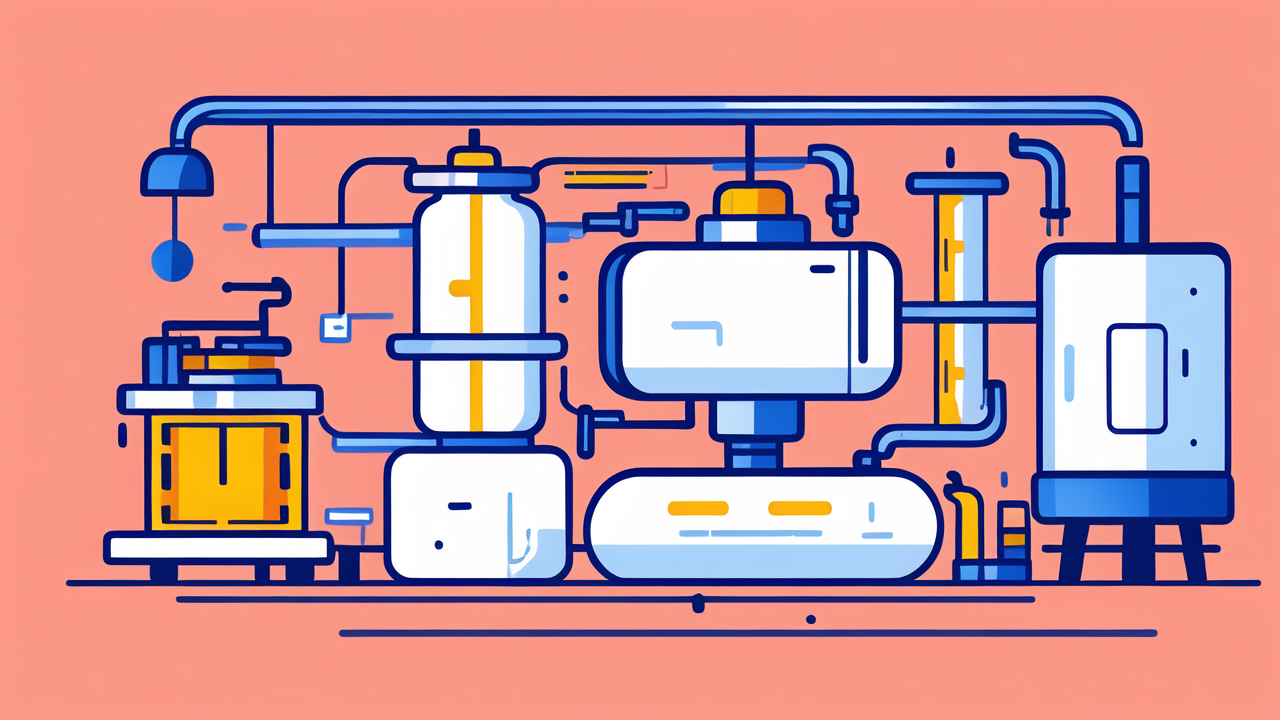
- Over-tightening connections: This can crack pipes or fittings
- Using wrong tools: Each pipe material needs specific tools
- Ignoring small leaks: They can lead to bigger problems
- Mixing pipe materials: This can cause corrosion
- Forgetting to insulate: Exposed pipes can freeze or overheat
Don't rush installations or repairs. Take time to do it right. Always follow manufacturer guidelines.
If you're unsure, seek professional help. Regular inspections can prevent many issues. Remember,
prevention is better than cure when it comes to water pipes.
Step-by-Step Guide to Cleaning and Maintenance of Water Pipes
Regular maintenance keeps water pipes in top shape. Follow these steps:
- Inspect regularly: Look for leaks, corrosion, or damage
- Flush the system: Run water to clear sediment
- Clean pipe exteriors: Use mild soap and water
- Check water pressure: High pressure can damage pipes
- Insulate pipes: Prevent freezing in cold weather
- Fix leaks promptly: Even small leaks can cause big problems
- Schedule professional checks: Yearly inspections are recommended
For cleaning, avoid harsh chemicals. They can damage pipes. Instead, use vinegar or baking soda for
natural cleaning. Don't forget to clean aerators and showerheads too. They can harbor bacteria if
neglected.
Safety Tips for Water Pipe Usage in Various Industries
Safety is paramount when working with water pipes in industries. Here are key tips:
- Always wear protective gear: Gloves, goggles, and proper footwear
- Follow proper lockout/tagout procedures during maintenance
- Be aware of pressure limits: Overpressure can cause pipe bursts
- Use appropriate tools: Wrong tools can damage pipes or cause injury
- Know emergency shut-off locations: Quick action can prevent disasters
- Regularly check for leaks: Use leak detection equipment
- Train staff properly: Everyone should know safety protocols
In chemical industries, be extra cautious. Some substances can react with pipe materials. In food
industries, maintain strict hygiene standards. Regular sanitization is crucial. Remember, safety
isn't just about preventing accidents. It's also about ensuring product quality and worker health.
Innovative Solutions and Trends in Water Pipe Technology
The Latest in Water Pipe Innovation and Its Impact on Australia
Australia is seeing exciting innovations in water pipe technology. Smart pipes are gaining traction.
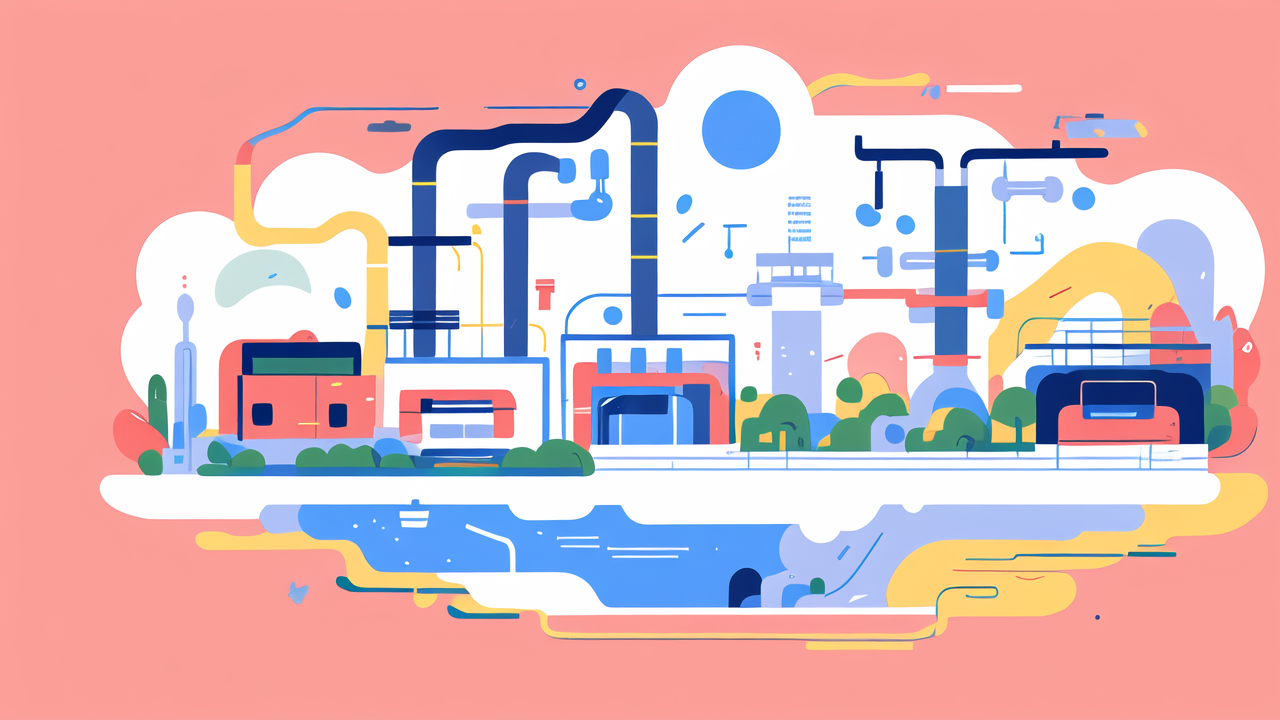
These pipes have sensors to detect leaks and water quality issues. They can save water and reduce
maintenance costs.
Another trend is the use of trenchless technology. It allows pipe installation without digging up
roads. This method is less disruptive and more eco-friendly. It's especially useful in urban areas.
3D printing is also making waves. It allows for custom pipe fittings and repairs. This can speed up
maintenance and reduce waste. Australia's water utilities are exploring these options to improve
efficiency.
Sustainable Practices and Eco-Friendly Alternatives in Water Pipe Manufacturing
Sustainability is a growing focus in water pipe manufacturing. Here are some eco-friendly trends:
- Recycled materials: Using recycled plastic for pipe production
- Bio-based pipes: Made from renewable resources like corn or sugarcane
- Energy-efficient manufacturing: Reducing carbon footprint in production
- Water-saving designs: Pipes that minimize water waste
- Long-lasting materials: Reducing the need for frequent replacements
Australian manufacturers are adopting these practices. They're also exploring ways to recycle old
pipes. This reduces waste and conserves resources. Some companies are even using solar power in their
factories. It's a step towards a greener water infrastructure.
Future Directions: What's Next for Water Pipe Industry?
The future of water pipes looks exciting. Here are some potential developments:
- Self-healing pipes: Materials that can repair small cracks automatically
- Nanotechnology: Coatings that prevent bacterial growth and scaling
- AI-powered management: Systems that predict and prevent pipe failures
- Biodegradable pipes: For temporary installations with minimal environmental impact
- Water-energy systems: Pipes that generate electricity from flowing water
Australia is well-positioned to lead in these areas. Research institutions are partnering with
industry to develop these technologies. The focus is on creating more resilient and sustainable water
networks. As water scarcity becomes a global issue, these innovations could have worldwide impact.
The future of water pipes is not just about moving water, but managing it smartly.


