


Understanding the Allure of Glass Balls in Water Pipe Design
The History and Evolution of Glass Ball Use
Glass balls have been used in water pipes for centuries. They first appeared in ancient civilizations. The Romans used glass in their aqueducts. Over time, the use of glass balls in water pipes evolved. In Australia, this trend gained popularity in the 20th century. Craftsmen saw the potential of glass balls in water pipe design. They began to experiment with different shapes and sizes. This led to more efficient and attractive water systems. Today, glass balls are a key feature in many Australian water pipes. They combine function with beauty in a unique way.

Visual Impact and Consumer Attraction
Glass balls in water pipes create a stunning visual effect. They catch and reflect light, adding sparkle to water systems. This visual appeal attracts consumers. Many homeowners choose glass ball water pipes for their aesthetic value. The balls come in various colors and sizes. This allows for customization and personal expression. In public spaces, glass ball water features often become focal points. They draw attention and create a sense of wonder. The transparency of glass also allows people to see the water flow. This adds an element of interest and movement to the design.
Functionality Meets Aesthetics: A Practical Overview
Glass balls in water pipes are not just for looks. They serve important functions too. The balls help to aerate the water as it flows through the pipe. This improves water quality and taste. They also act as natural filters, trapping debris and impurities. The smooth surface of glass balls reduces friction. This allows water to flow more freely. In addition, glass balls can help regulate water pressure. They create a more even distribution of water throughout the system. All these benefits come in a visually pleasing package. It's a perfect blend of form and function.
Advantages of Glass Balls in Water Pipe Manufacturing
Enhancing Water Quality and Aesthetics
Glass balls play a crucial role in improving water quality. As water passes over the balls, it becomes oxygenated. This process enhances the taste and smell of the water. The balls also help to remove chlorine and other chemicals. This results in cleaner, fresher-tasting water. From an aesthetic standpoint, glass balls add visual interest to water pipes. They create a sparkling effect as water flows over them. This can turn a simple water pipe into a beautiful water feature. Many people find the sight and sound of water flowing over glass balls soothing.
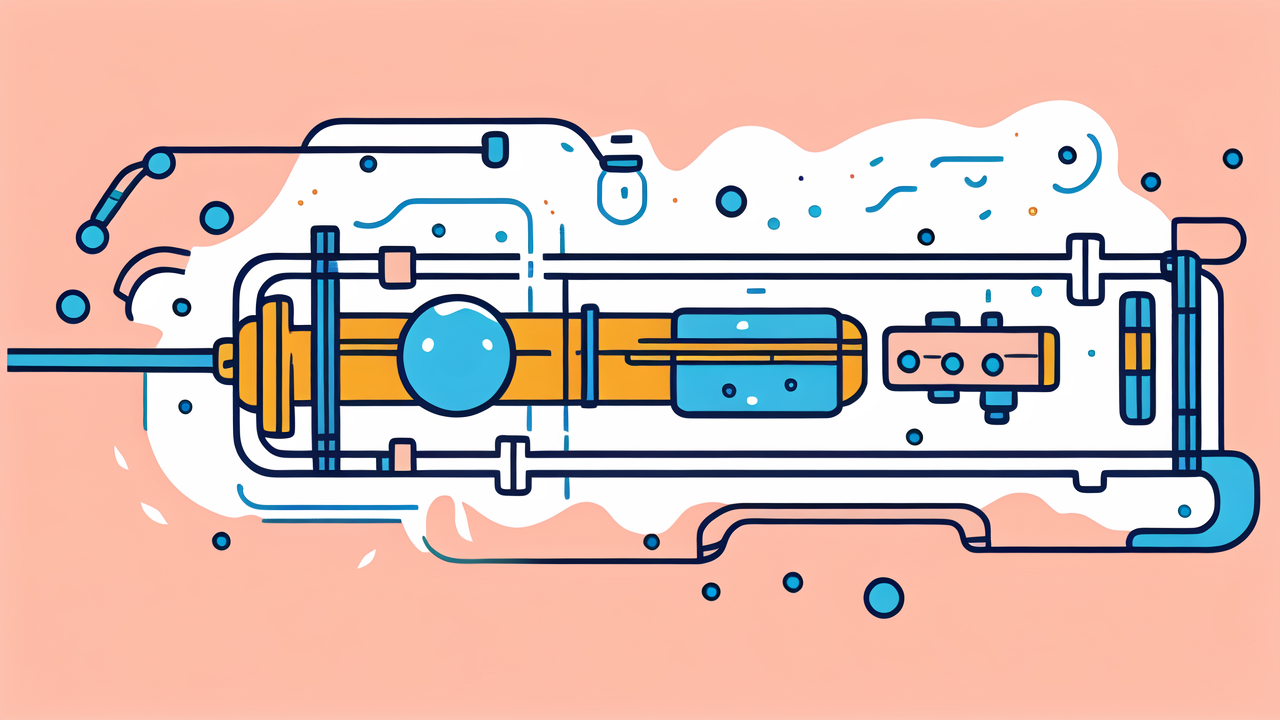
The Role of Glass Balls in Preventing Harmful Algae and Bacteria
Glass balls in water pipes help prevent the growth of harmful organisms. The smooth surface of glass is inhospitable to algae and bacteria. These organisms have a hard time attaching and growing on glass. The constant movement of water over the balls also helps. It makes it difficult for microorganisms to settle and multiply. Additionally, some glass balls are treated with antimicrobial coatings. These further inhibit the growth of harmful organisms. By keeping pipes clean and free of growth, glass balls help maintain water quality. They reduce the need for harsh chemicals in water treatment.
Eco-Friendly and Sustainable Water Pipe Solutions
Glass balls offer an environmentally friendly option for water pipe design. Glass is a natural material that doesn't leach chemicals into water. It's also recyclable and long-lasting. This makes it a sustainable choice for water systems. Glass balls can help reduce energy consumption in water transport. Their smooth surface decreases friction, allowing water to flow more easily. This can lead to lower pumping costs and energy savings. Moreover, the durability of glass means less frequent replacements. This reduces waste and the environmental impact of manufacturing new parts.
Expert Tips for Installing and Maintaining Water Pipes with Glass Balls
Step-by-Step Installation Guide for Glass Ball Water Pipes
- Plan your layout: Decide where you want to install the glass ball water pipe.
- Gather materials: You'll need pipes, glass balls, connectors, and tools.
- Prepare the area: Clear the space and ensure a level surface.
- Lay the base pipe: Install the main water pipe according to your plan.
- Add glass ball chambers: Attach sections designed to hold the glass balls.
- Insert glass balls: Carefully place the glass balls into the designated chambers.
- Connect the sections: Join all parts of the water pipe system securely.
- Test the system: Run water through to check for leaks or flow issues.
- Make adjustments: Fix any problems and optimize the water flow.
- Finish up: Clean the area and enjoy your new glass ball water pipe.
Routine Maintenance for Longevity
Regular maintenance is key to keeping glass ball water pipes in top condition. Here are some tips:

- Clean the glass balls regularly. Remove them and wash with mild soap and water.
- Inspect the pipe system for any leaks or damage. Fix issues promptly.
- Check water pressure and flow. Adjust if necessary.
- Remove any debris that may have accumulated in the pipe or around the balls.
- Test water quality periodically to ensure the system is functioning properly.
- Lubricate any moving parts in the system as needed.
- Replace any worn or damaged glass balls.
- Flush the entire system occasionally to remove any built-up sediment.
- Protect outdoor pipes from extreme weather conditions.
- Schedule professional inspections annually for optimal performance.
Troubleshooting Common Issues with Glass Ball Water Pipes
Even well-maintained systems can encounter problems. Here are some common issues and solutions:
- Low water pressure: Check for clogs or misaligned glass balls.
- Unusual noises: Listen for rattling balls or air in the pipes.
- Cloudy water: Clean the glass balls and check the filtration system.
- Leaks: Inspect connections and replace any damaged parts.
- Algae growth: Clean thoroughly and consider adding an algae inhibitor.
- Frozen pipes: Insulate outdoor pipes in cold climates.
- Foul odors: Flush the system and check for stagnant water pockets.
- Discolored glass balls: Replace if cleaning doesn't restore their appearance.
- Uneven water flow: Adjust the distribution of glass balls in the chambers.
- System blockages: Use gentle pressure to dislodge obstructions.
Remember, if you're unsure about any repairs, it's best to consult a professional. They can help maintain the beauty and function of your glass ball water pipe system.


