


The History of CCBC Printing and Its Impact on Australian Industry
The origins of CCBC Printing in Australia
CCBC Printing began in Australia in the early 20th century. It was a new method for making glass bottles. The process used compressed air to shape molten glass. This made bottle production faster and cheaper.
CCBC stands for 'Can't Count Bottles Coming'. This name came from the speed of production. Workers couldn't keep up with counting the bottles. The method quickly spread across Australia's glass industry.
It changed how bottles were made. Before CCBC, bottles were made by hand. This was slow and expensive. CCBC allowed for mass production. It met the growing demand for glass containers in Australia.
Advances in glass manufacturing since CCBC's inception
Since CCBC began, glass making in Australia has come a long way. New tech has made the process even faster and more efficient. Computer controls now manage the whole process. This ensures consistent quality.
Recycling has become a big part of glass production. Many bottles now use recycled glass. This helps save energy and reduce waste. The glass industry has also found ways to make lighter bottles. These use less material but are still strong.
3D printing is now being used in glass making. It allows for complex shapes and designs. This opens up new possibilities for glass products. The industry keeps evolving to meet new challenges and demands.
Innovative Bubble Products and Their Role in Modern Manufacturing
Pioneering new glass products: The legacy of CCBC
CCBC's legacy lives on in modern glass innovation. One example is 'bubble products'. These are glass items with air pockets inside. They're lighter but still strong. This idea came from the air used in CCBC Printing.
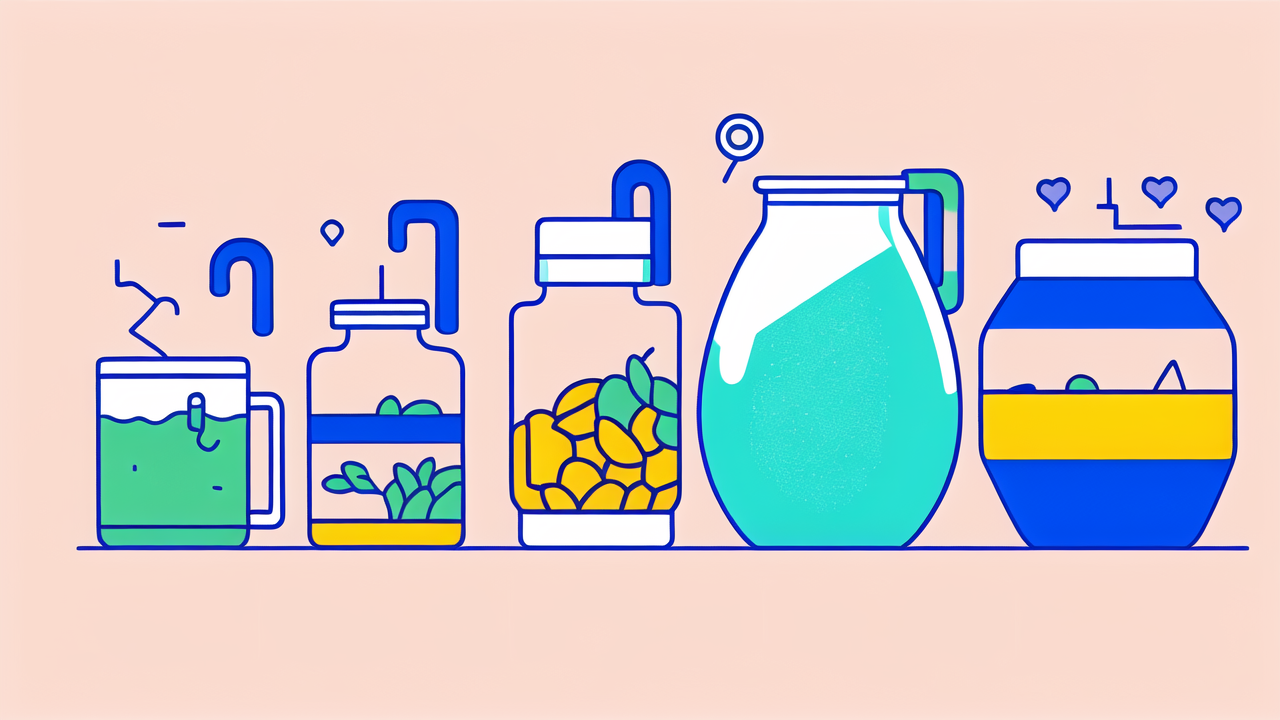
Beer balls are a popular bubble product. They're spherical beer bottles. The shape makes them stronger than regular bottles. They also use less glass. This makes them cheaper to produce and ship.
Other bubble products include light bulbs and vases. The air pockets can create interesting designs. They also make the products lighter. This shows how old ideas can lead to new innovations.
Comparative analysis: Bubble products vs. traditional glass
Bubble products have some advantages over traditional glass. They're lighter, which saves on shipping costs. They often use less material, which is good for the environment. The air pockets can also add insulation.
But there are trade-offs. Bubble products can be more complex to make. This can increase production costs. They may not be suitable for all uses. For example, some chemicals might react with the air pockets.
Traditional glass is still better for some uses. It's easier to recycle. It's also clearer, which is important for some products. The choice depends on the specific needs of each product.
Industry Implications: Sustainability and Consumer Expectations
Eco-friendly manufacturing: CCBC's contribution to sustainability
CCBC Printing helped make glass production more sustainable. It reduced the amount of energy needed to make bottles. This lowered the carbon footprint of glass manufacturing. The faster process also meant less waste.
Today, the glass industry continues this trend. Many plants use renewable energy. They also recycle water used in production. The focus is on reducing environmental impact at every stage.
Bubble products are part of this effort. They use less material. This means less energy is needed to make and transport them. It's an example of how innovation can help sustainability.
Meeting consumer demand: The future of Australian glass products
Consumers today want products that are eco-friendly. They also want unique designs. Australian glass makers are responding to these demands. They're creating new products that are both stylish and sustainable.
Smart glass is one area of innovation. This glass can change its properties. For example, it can become opaque at the touch of a button. This could save energy in buildings. It shows how glass is adapting to new needs.
The future may bring more personalized glass products. 3D printing could allow for custom designs. Bubble products might become even more creative. The glass industry will keep evolving to meet changing consumer expectations.


